




Institutional Cell
Education goes beyond textbooks and classrooms. We believe in empowering students to explore their passions challenge conventions.
Institutional Cells & Student Development
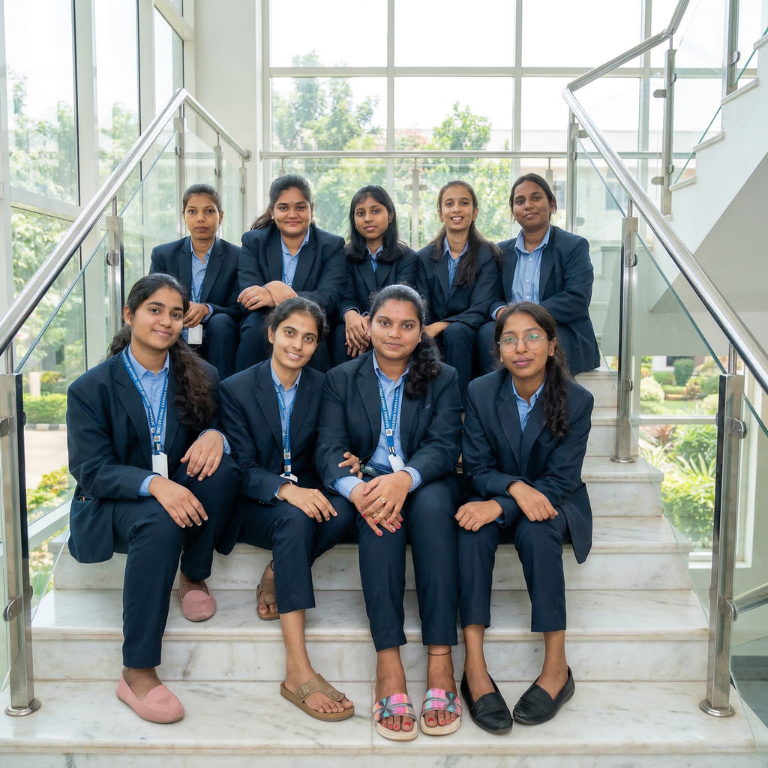
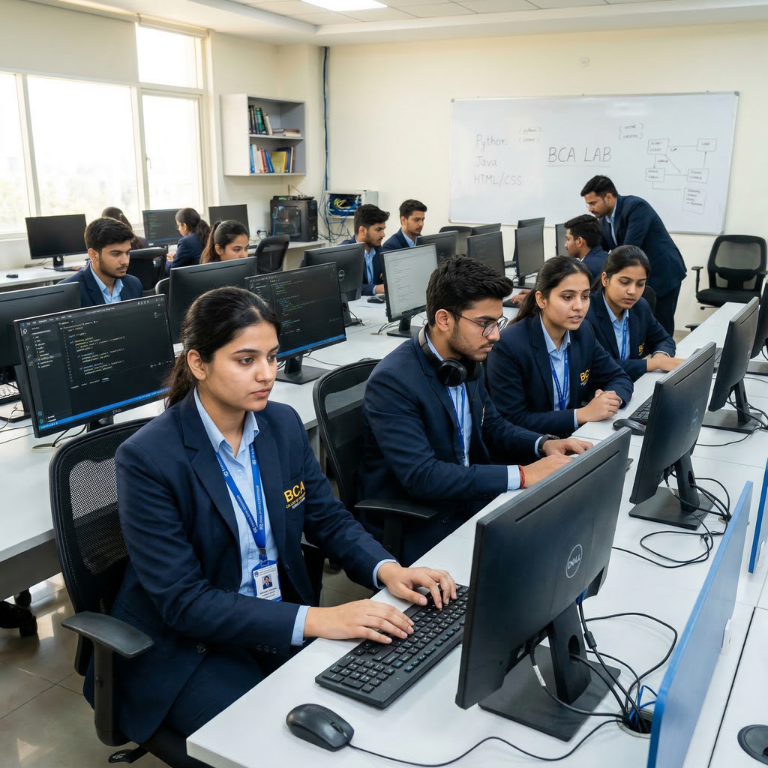
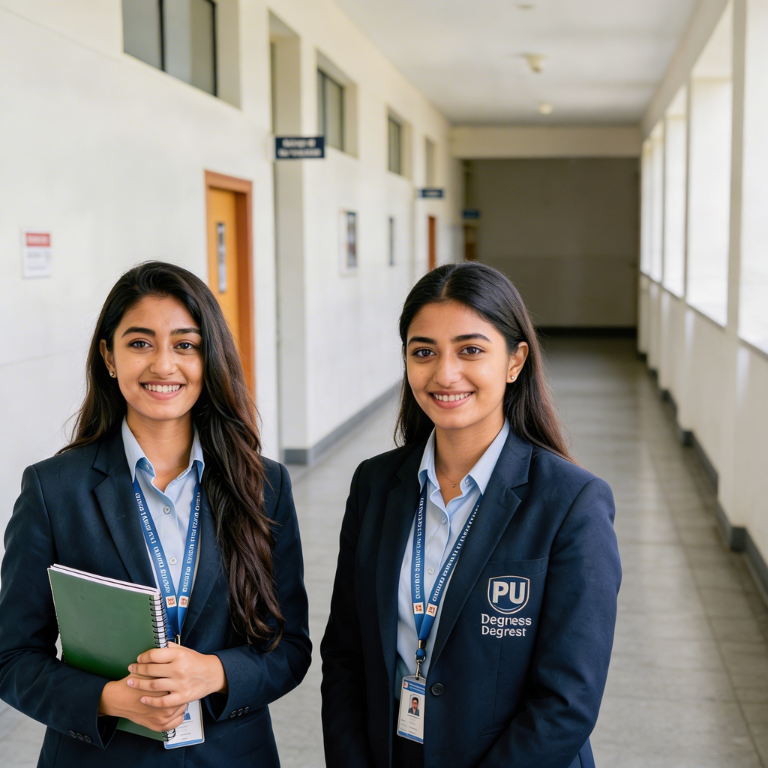
Our institution is committed to creating a holistic academic environment that supports student growth beyond the classroom. Through various institutional cells and clubs, the college promotes leadership, social responsibility, ethical values, and professional development among students. These cells play a vital role in strengthening academic quality, student welfare, community engagement, and overall institutional development.
Each cell functions with a specific purpose and works collaboratively to provide opportunities for students to participate in social initiatives, academic improvement programs, cultural activities, and career development efforts. With the guidance of dedicated faculty coordinators, these institutional bodies help nurture responsible citizens, skilled professionals, and confident leaders for the future.
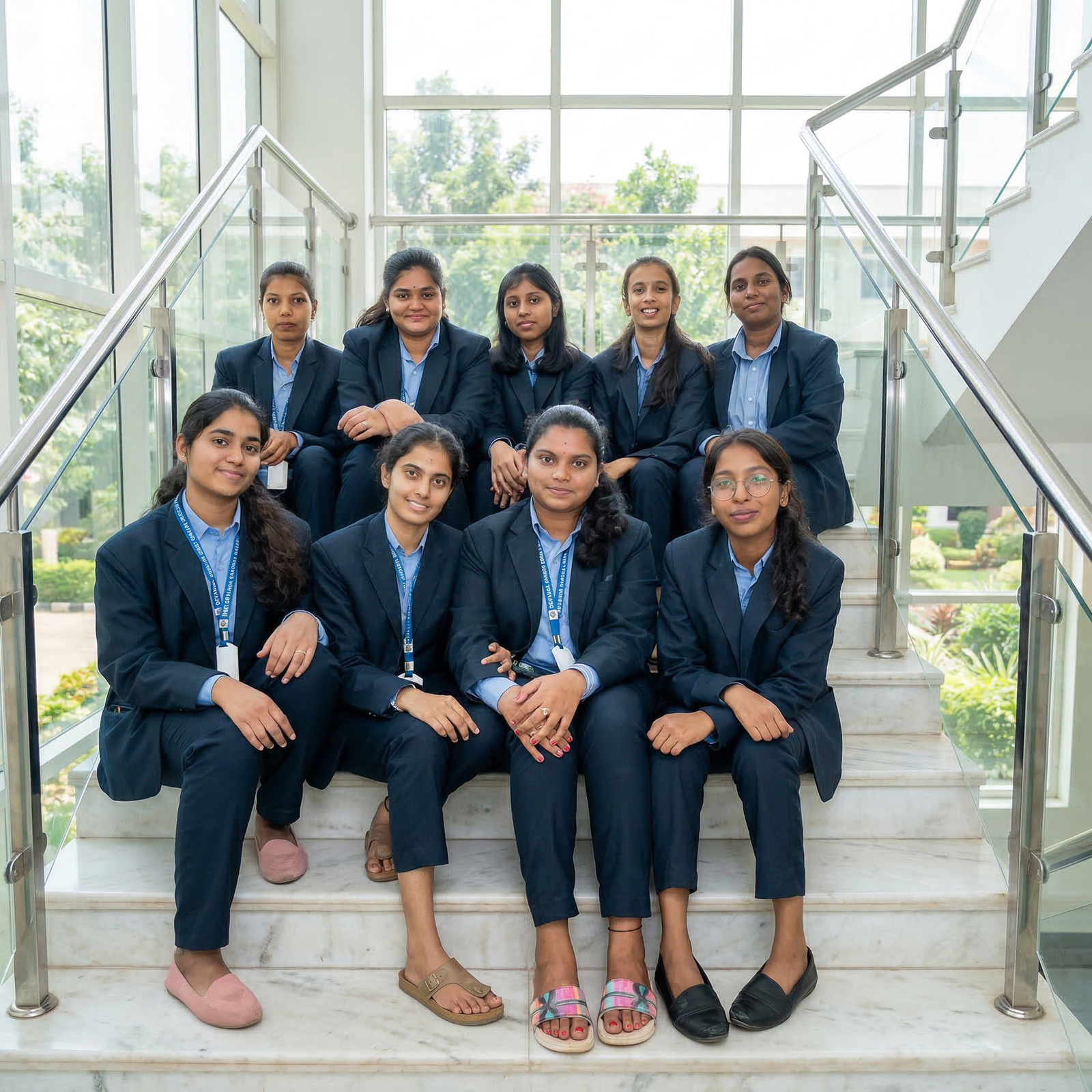
Explore Our Institutional Cells
Our Institutional Cells serve as important platforms for students to engage in meaningful activities that complement their academic learning. These cells focus on quality enhancement, social service, student welfare, leadership development, and career readiness. Through workshops, awareness programs, community outreach activities, mentoring initiatives, and professional training sessions, students gain valuable exposure that contributes to their personal and professional growth.
The institution currently hosts several active cells and clubs, including IQAC, NSS, Red Cross, Human Rights Cell, Anti-Ragging Cell, Anti Sexual Harassment Cell, Mentoring Cell, Literary Club, Placement Cell, and Commerce Club, each dedicated to supporting students and enhancing the overall educational experience.
Overview
The Internal Quality Assurance Cell (IQAC) plays a vital role in maintaining and enhancing the quality of education within the institution. It focuses on developing a systematic approach to improve academic performance, administrative efficiency, and institutional growth. The cell promotes a culture of continuous improvement and ensures that quality benchmarks are achieved in all academic and administrative activities.
Objectives
-
To develop a quality-conscious academic environment in the institution.
-
To monitor and improve teaching, learning, and evaluation processes.
-
To encourage research, innovation, and academic excellence.
-
To implement quality benchmarks in academic and administrative activities.
-
To facilitate institutional accreditation and quality assessment processes.
Key Activities
-
Conducting academic and administrative audits.
-
Collecting and analyzing student feedback.
-
Organizing quality enhancement workshops and seminars.
-
Preparing annual quality assurance reports.
-
Promoting research and innovation among students and faculty.
Outcomes
The IQAC ensures continuous quality improvement, enhances institutional performance, and strengthens the academic standards of the institution.
Dr. Bharathi
(Department of Kannada)
Overview
The National Service Scheme (NSS) unit encourages students to participate in community service and social development activities. It aims to instill social responsibility, leadership, and a sense of commitment among students towards society.
Objectives
-
To develop social awareness and responsibility among students.
-
To promote community engagement and service.
-
To encourage leadership and teamwork skills.
-
To contribute to the welfare and development of society.
Key Activities
-
Community service programs and social awareness campaigns.
-
Tree plantation drives and environmental initiatives.
-
Blood donation camps and health awareness programs.
-
Rural development activities and village adoption programs.
-
Cleanliness drives and public awareness campaigns.
Outcomes
NSS activities help students develop leadership qualities, compassion, and a strong commitment to social service.
Dr.Suresh R
(Department of Kannada)
Overview
The Red Cross unit in the institution promotes humanitarian values and encourages students to participate in health and welfare activities. It focuses on providing support during emergencies and spreading awareness about health and safety.
Objectives
-
To promote humanitarian values and service.
-
To create awareness about health and hygiene.
-
To encourage students to participate in relief and welfare activities.
Key Activities
-
Blood donation camps.
-
Health awareness programs and medical camps.
-
First aid training sessions.
-
Disaster management awareness programs.
Outcomes
The Red Cross unit helps students develop empathy, responsibility, and a spirit of humanitarian service.
Prof: Shrikanth
HOD department of management
Overview
The Human Rights Cell works to promote awareness about fundamental human rights and responsibilities among students and staff. It aims to create a respectful and inclusive campus environment where equality and dignity are upheld.
Objectives
-
To promote awareness of human rights among students.
-
To ensure equality and respect within the institution.
-
To encourage ethical values and social justice.
Key Activities
-
Awareness seminars on human rights and constitutional values
-
Workshops on equality, dignity, and social justice.
-
Observance of Human Rights Day and related events.
Outcomes
The Human Rights Cell fosters a culture of respect, fairness, and inclusivity within the institution.
Kanth Raju T R
HOD department of Arts and humanity
Overview
The Anti-Ragging Cell ensures a safe and supportive campus environment for all students. The institution strictly prohibits ragging in any form and promotes a culture of respect and dignity.
Objectives
-
To prevent ragging and maintain discipline on campus.
-
To create awareness about the harmful effects of ragging.
-
To ensure a safe learning environment for students.
Key Activities
-
Orientation programs for new students.
-
Awareness campaigns against ragging.
-
Monitoring campus activities to prevent ragging incidents.
-
Providing support and assistance to students if required.
Outcomes
The Anti-Ragging Cell ensures a safe and friendly campus environment where students can focus on learning and personal development.
Husnabhanu
Assistant professor department of commerce and management
Overview
The Anti Sexual Harassment Cell works to ensure a safe and respectful environment for all members of the institution. It addresses issues related to harassment and promotes awareness about gender equality and dignity.
Objectives
-
To prevent sexual harassment in the institution.
-
To ensure a safe and respectful workplace and learning environment.
-
To create awareness about gender equality and dignity.
Key Activities
-
Awareness programs on gender sensitivity.
-
Workshops on workplace ethics and respect.
-
Providing a platform to address complaints confidentially.
Outcomes
The cell ensures a secure and respectful environment for students and staff.
Yashswini K
Assistant professor department of commerce and management
Overview
The Mentoring Cell provides guidance and support to students for their academic, personal, and professional development. Faculty mentors assist students in achieving their educational goals and overcoming challenges.
Objectives
-
To provide academic guidance and support to students.
-
To monitor student progress and development.
-
To encourage personal and professional growth.
Key Activities
-
Regular mentor–mentee meetings.
-
Academic counseling and guidance sessions.
-
Monitoring student performance and attendance.
-
Supporting students in career planning.
Outcomes
The Mentoring Cell helps students improve their academic performance and develop confidence and leadership skills.
Apoorva D U
HOD department of commerce
Overview
The Literary Club encourages students to explore their creative and intellectual abilities through language, literature, and communication activities. It provides a platform for students to express their ideas and enhance their communication skills.
Objectives
-
To promote reading, writing, and communication skills.
-
To encourage creativity and critical thinking.
-
To provide opportunities for literary expression.
Key Activities
-
Essay writing competitions.
-
Debates and group discussions.
-
Poetry recitations and storytelling sessions.
-
Literary workshops and seminars.
Outcomes
The Literary Club helps students improve communication skills and develop creativity and confidence.
Sneha P Shankar
(Department of English)
Overview
The Placement Cell plays a crucial role in guiding students toward successful careers. It works to connect students with industry opportunities and prepares them for professional employment through training and recruitment activities.
Objectives
-
To provide career guidance and placement opportunities.
-
To build strong relationships with industries and organizations.
-
To enhance students’ employability skills.
Key Activities
-
Campus recruitment drives.
-
Career guidance and counseling sessions.
-
Resume building and interview preparation workshops.
-
Industry interaction programs and internships.
Outcomes
The Placement Cell ensures students are well-prepared for professional careers and facilitates successful placements.
Ravi Kumar
Assistant professor
Department of commerce
Overview
The Commerce Club aims to enhance students’ understanding of commerce, business, and financial management. It provides opportunities for students to explore real-world business practices and develop entrepreneurial skills.
Objectives
-
To promote knowledge of commerce and business practices.
-
To encourage entrepreneurship and financial literacy.
-
To provide practical exposure to business activities.
Key Activities
-
Business quizzes and competitions.
-
Workshops on finance, taxation, and entrepreneurship.
-
Guest lectures by industry experts.
-
Business case study discussions.
Outcomes
The Commerce Club helps students gain practical business knowledge and develop entrepreneurial thinking.